

About SSI School of Tibetan Medicine
For over 20 years, our school has been offering expansive online programs and traditional training in Tibetan Medicine with three branches located in the United States, Spain, and Russia.
Our vision and mission is to preserve & spread Tibetan Medicine for the benefit of all.
At the Shang Shung Institute, we believe that modern society can benefit greatly from the teachings of Tibetan Medicine. It is our mission to share the legacy of traditional Tibetan Medicine worldwide, promoting its practice for the benefit of all people today and in the future. Now is an exciting time for the flourishing of traditional medical sciences in the modern world. We are delighted and honored to offer teachings of traditional Tibetan Medicine for the benefit of all people!
Our Team & Leadership
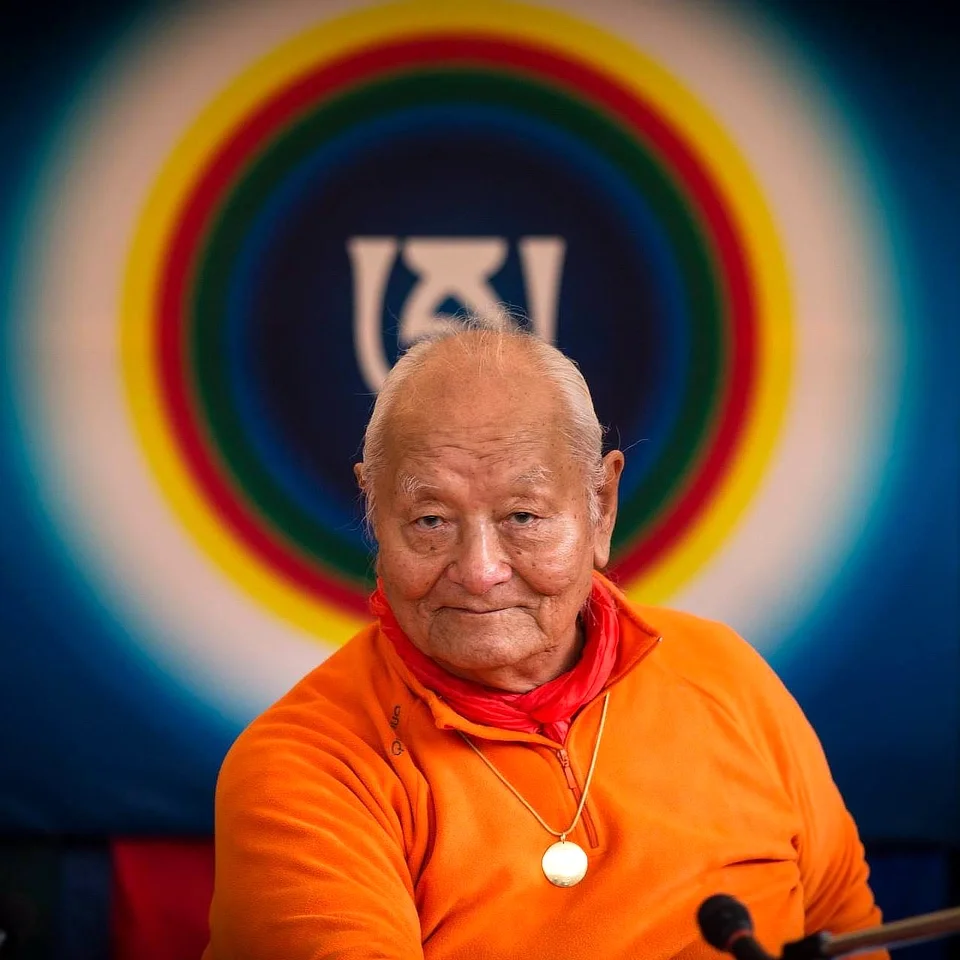
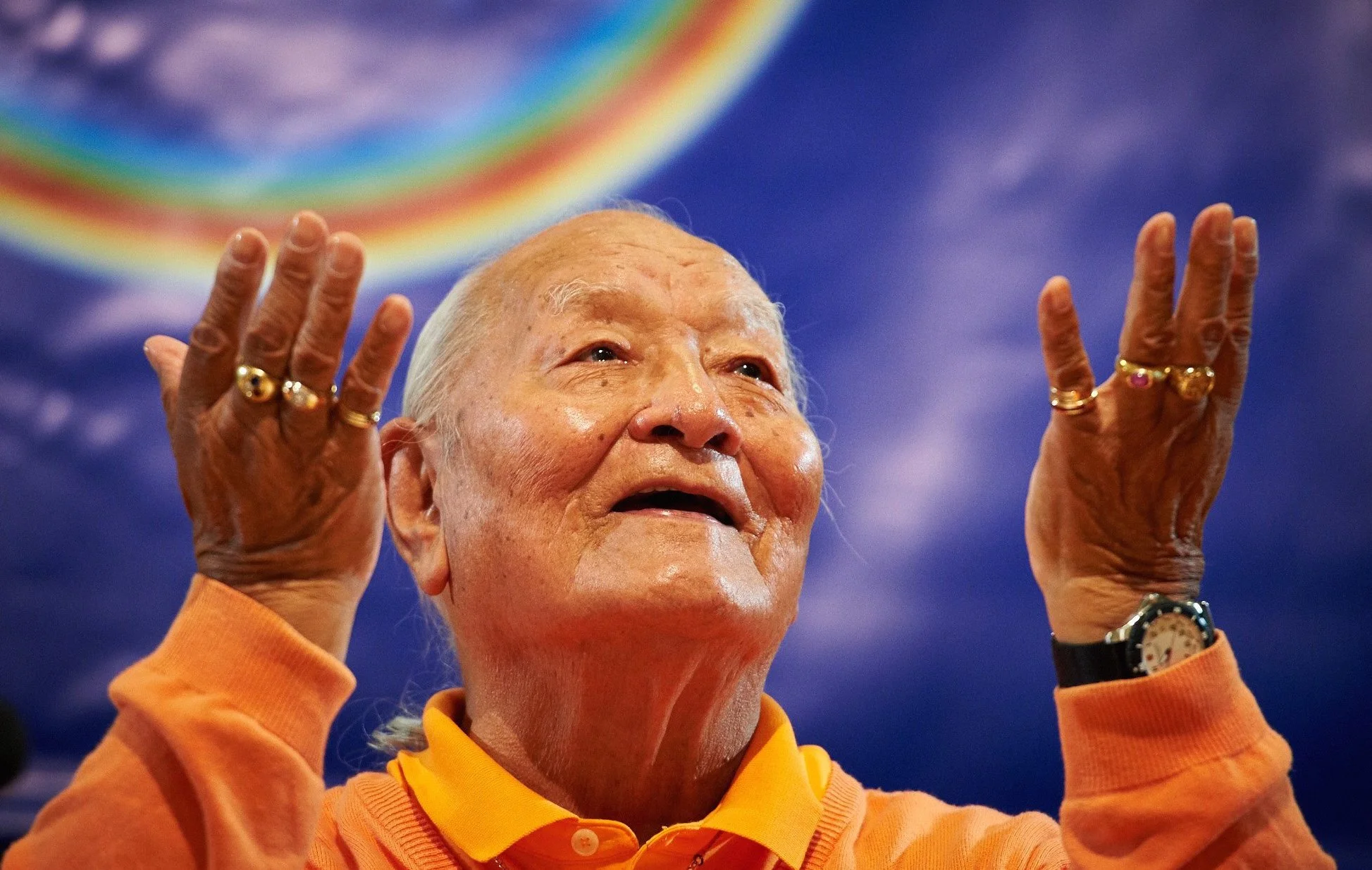
Our Founder: Professor Namkhai Norbu
World-Renowned Tibetan Scholar & Dzogchen Master (1938-2018)
Professor Namkhai Norbu founded the International Shang Shung Institute in Italy, in 1989, to preserve and promote Tibetan culture, arts, language and sciences for future generations worldwide.
He was considered one of the world’s foremost Tibetan Dzogchen Masters, one of the world’s leading scholars of Tibetan culture, history and heritage.
Professor Namkhai Norbu founded the International Dzogchen Community, published a vast array of books, articles and research, and founded multiple international non-profit organizations.
He was a celebrated professor at the Naples Eastern University from 1964–1992. In 2016, Professor Namkhai Norbu was awarded the highest civilian honor of the Italian national government, the title of Commander of the Order of Merit of the Italian Republic.
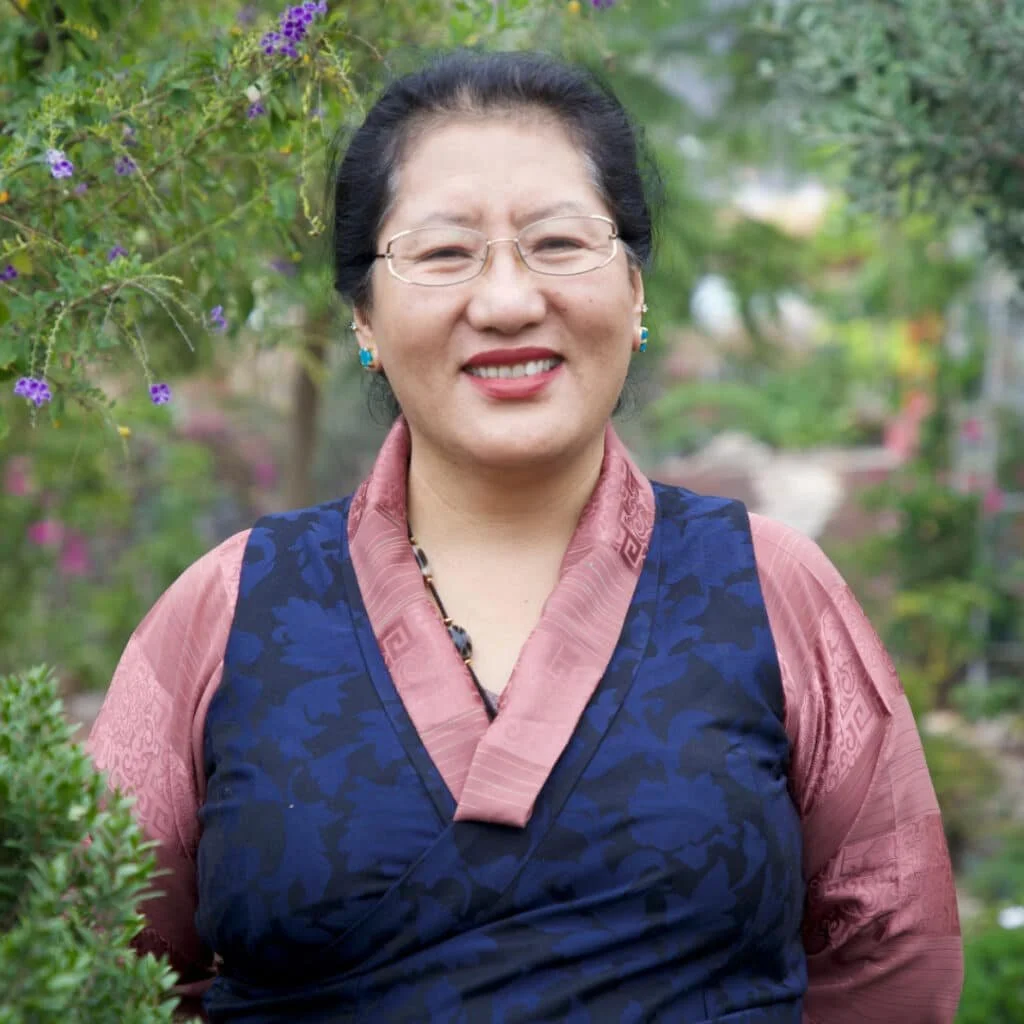
Our Director: Menpa Phuntsog Wangmo
World-Renowned Tibetan Scholar
Menpa Phuntsog Wangmo (Ping Cuowangmu) is the director of the SSI School of Tibetan Medicine. Menpa Wangmo is a renowned Tibetan Scholar and Tibetan Medicine Doctor with over 30 years of experience in clinical practice as well as teaching.
Dr. Phuntsog received her advanced degree from the prestigious Lhasa University School of Traditional Medicine in 1988. She dedicated numerous years to serving as a Tibetan Medicine practitioner in Eastern Tibet, including establishing hospitals and training centers in the remote regions.
In 2007, she co-founded the American Tibetan Medical Association (ATMA), a national organization in the United States dedicated to representing and advancing the Tibetan medical profession.
She was instrumental in the founding and development of our School, making sure the lineage is transmitted in its purity. Menpa Wangmo organized and instructed the first full-length, traditional Tibetan Medicine training program offered in the Western World.
Today, Dr. Phuntsog leads and oversees the programs across the United States, Russia, and Europe, maintaining a steadfast commitment to advancing the practice and knowledge of Tibetan medicine.
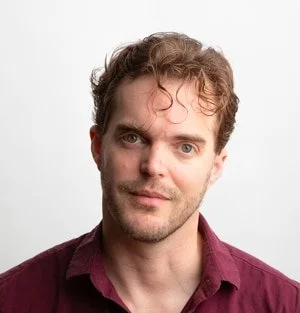
Adam Okerblom
Board of Directors
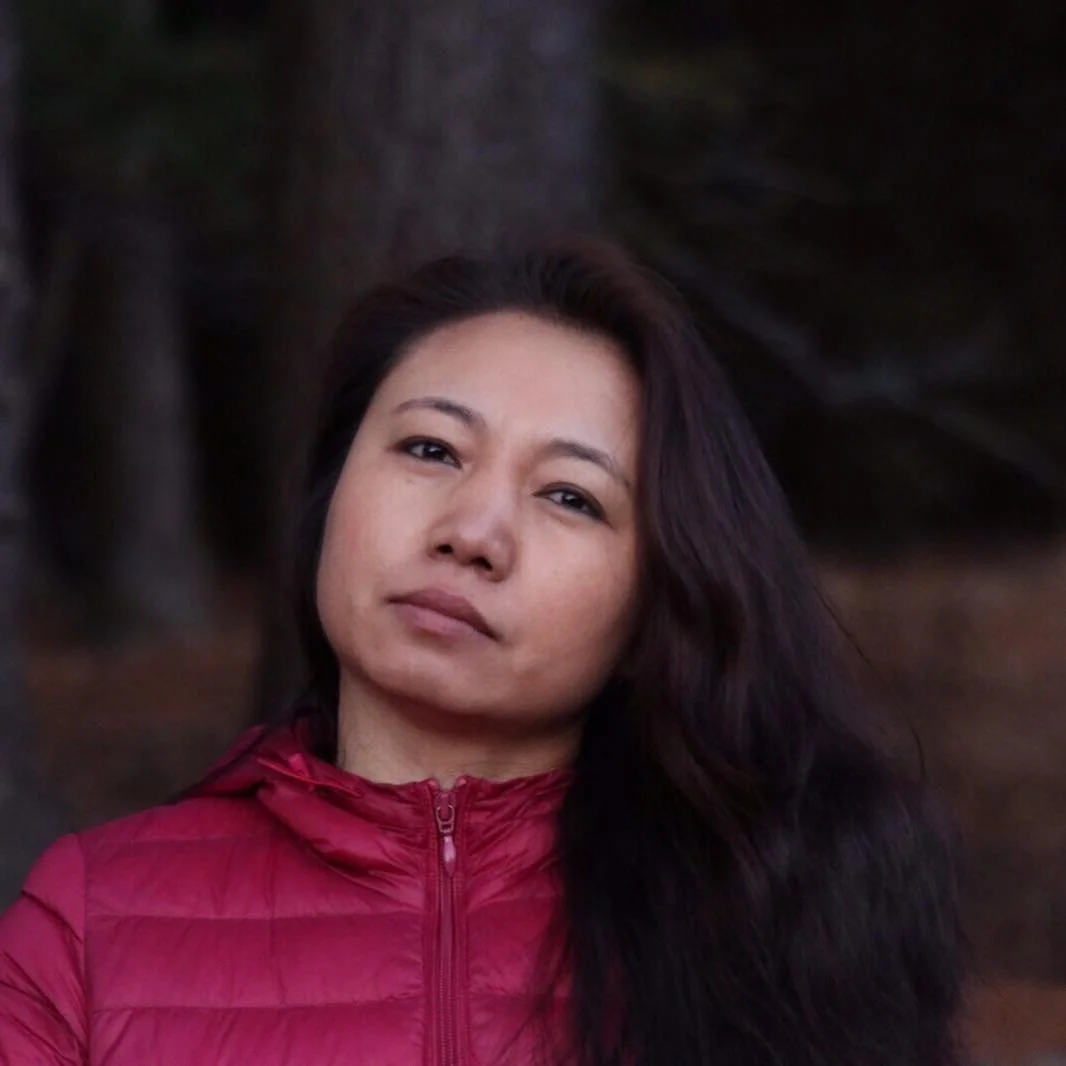
Yeshe Tsomo
Board of Directors

Matthew Schmookler
Board of Directors

Katya Kuzmitskaya
Administrative Manager
“In order to live and remain in good health, every individual, whether woman or man, young or old, must first of all have an understanding of the nature of the ‘three doors’ and of the nature of the human body that ‘lives’, of the nature of the humours and of the organic components that ‘give life’, and of the nature of the behavior that constitutes life. It is on the basis of a precise knowledge of these factors that we can live in good health. “
– Professor Namkahi Norbu, Birth, Life and Death
About Tibetan Medicine
Tibetan Medicine is a highly useful and relevant tool for modern people’s health concerns today. It is a system of individualized medicine, with complex theory offering important insight into the prevention and treatment of many health issues. Tibetan Medicine employs unique and effective therapeutic treatments to benefit a wide range of indications. With Tibetan Medicine, we learn about the human condition in relation to the natural world around us. We gain insight into each of our own individualized elemental constitution. We discover therapeutic tools to help maintain optimal health and balance in our daily lives.
Science
Tibetan Medicine is known in Tibetan language as “Sowa Rigpa”, which means “Science of Healing” or “Healing Knowledge”. Since ancient times, Tibetan Medicine comprises one of traditional Tibetan culture’s pillars of knowledge. The practice of medicine is a highly organized academic program in Tibet. Prestigious universities train students from a young age. There are formalized systems of examination, practical and theoretical training. Curricula are based on standardized texts and commentaries. Through these methods, Tibetan Medicine endured for centuries as a rich healing science which continues to thrive today.
A Living Tradition
The story of Tibetan Medicine continues into modern times. With the diaspora of Tibetan culture in recent decades, the knowledge of Tibetan Medicine takes root in various places around the world. There now exist numerous schools of Tibetan Medicine in numerous countries, along with various online curricula. Fully-trained and qualified practitioners offering their services to communities around the world.
Compassion
Tibetan Medicine is strongly rooted in the tradition of Tibetan Buddhism. It is said that the teachings of Tibetan Medicine were handed down directly from the Medicine Buddha, in his pure mandala of medicinal substances, to a retinue of Gods and Sages. With this tradition comes a great emphasis on the Buddhist principles of compassion, kindness, and wisdom. The Tibetan Medicine texts state that one of the main motivations for maintaining health in life is to pursue spiritual wisdom. The sacred conduct of the traditional physician emphasizes compassion for all beings and selfless service for the greater good of the community.
Rich History
n our modern society we suffer greatly from chronic health issues such as obesity, heart disease, diabetes and cancer. We also have very high levels of chronic stress, fatigue, anxiety and depression. These issues relate issues of our diet and lifestyle. Unhealthy dietary habits, sedentary lifestyle, high stress jobs, social isolation and other factors create chronic disease at alarmingly high levels in our modern world. Tibetan Medicine teaches that managing the diet and lifestyle choices are the two most important factors for preventing disease and maintaining health. Tibetan Medicine provides customized, individualized guidelines based on elemental theory, from which to structure our ideal dietary plan and daily habits for optimal health and wellness.
Modern Wellness
In our modern society, we suffer greatly from chronic health issues such as obesity, heart disease, diabetes, and cancer. We also have very high levels of chronic stress, fatigue, anxiety, and depression. These issues relate to our diet and lifestyle. Unhealthy dietary habits, disconnection from the earth and community, sedentary lifestyle, high-stress jobs, social isolation, and other factors create chronic disease at alarmingly high levels in our modern world. Tibetan Medicine teaches that managing the diet and lifestyle choices are the two most important factors for preventing disease and maintaining health. Tibetan Medicine provides customized, individualized guidelines based on elemental theory, from which to structure our ideal dietary plan and daily habits for optimal health and wellness.